
Hoopla Skateboards was launched in 2008 by Mimi Knoop and Cara-beth Burnside (with support from George & Juli Powell, and Michael Furukawa at Skate One Corporation) to provide some of the leading female and non-binary skaters with a board sponsor and opportunities, such as having a signature board, support at contests, and going pro, just like they deserved.


Above: hoopla skateboards web collage 2012, bios for CB and Mimi from 2011
In an article for Vice in 2018, Knoop explained that “The original mission of hoopla was to create a support system for female pros where none existed prior.” Mimi had a creative background as an artist and illustrator and was the visionary for all the board graphics. And, of course, CB had the legacy and experience to provide mentorship, which also validated the company.
Mimi also reported that, a big motivation for establishing hoopla was that desire to be part of a crew, get in a van and go on skateboarding roadtrips. “We’re like, all right, if we create this board company and create a marketing budget, then we can have our own trips and get in the van and go shoot content, make video parts whatever” (Rehfield, 2025).
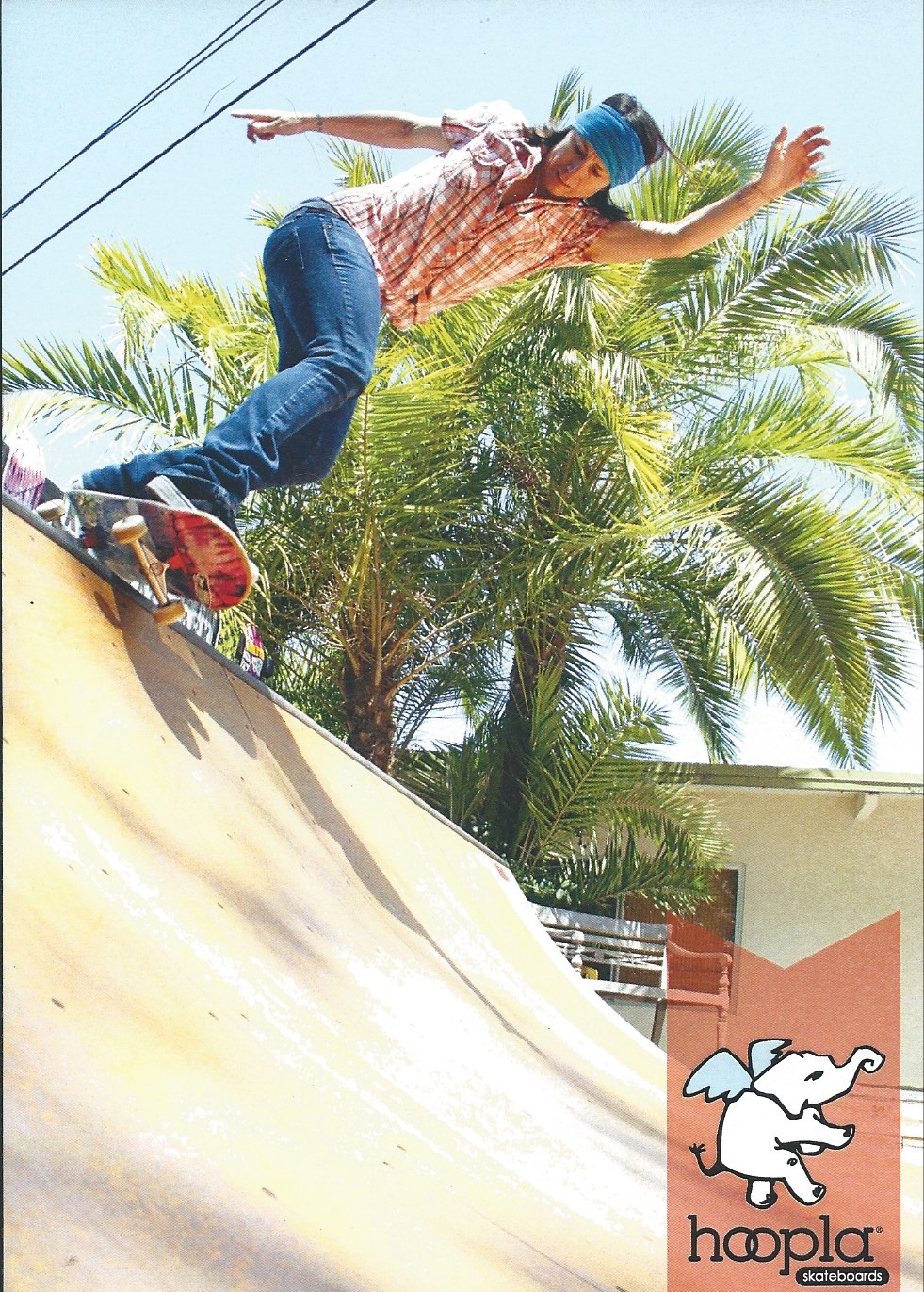
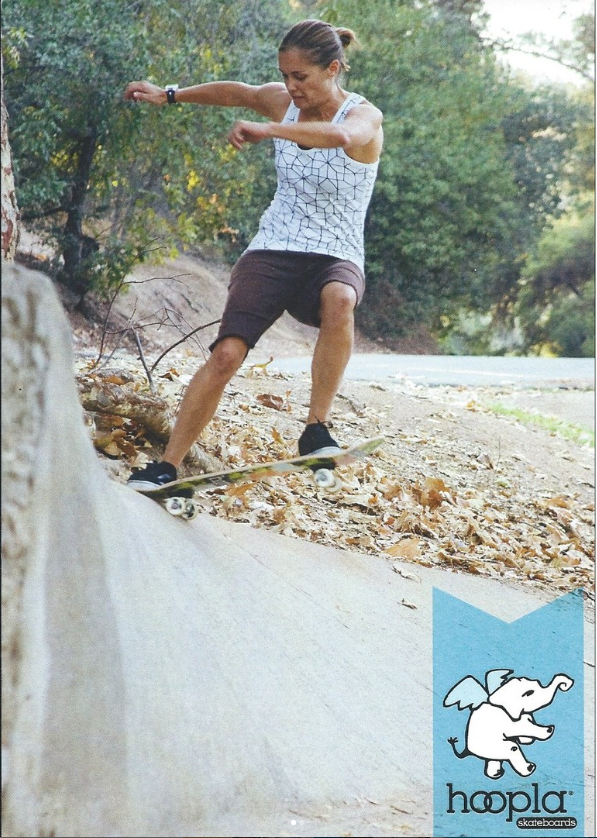
Above: hoopla advertisements featuring CB and Mimi from 2011
Hoopla operated for a full decade and over the years, they represented some legendary skaters including Alana Smith, Allysha Le (Bergado), Breana Geering, Eliana Sosco, Evelien Boulliart, Hunter Long, Justyce Tabor, Lea Taylor, Nicole Hause, Nora Vasconcellos, Samarria Brevard, and child prodigy, Annika Vrklan.
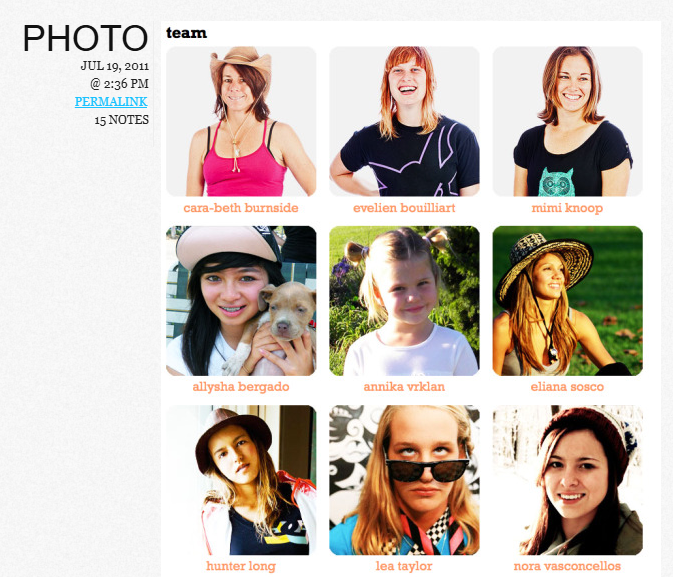
Above: 2011 hoopla team from Tumblr
On their website, Tumblr account, and Facebook page, you can still witness hoopla skateboards in their glory days, sharing photos, videos, announcing new pros and board designs, contest results and demos. There was such a huge celebration in 2012 when Alana Smith became the first girl at age 12 to land a 540 McTwist in a competition (with Lyn-Z Adams Hawkins being the first girl to land the trick) rocking her hoopla gear, or when Cara-beth featured in Tony Hawk’s game RIDE in 2009 (with the option to choose from three hoopla skateboards!) or the fact that Samarria’s signature board in 2016 was a first for a black female pro!
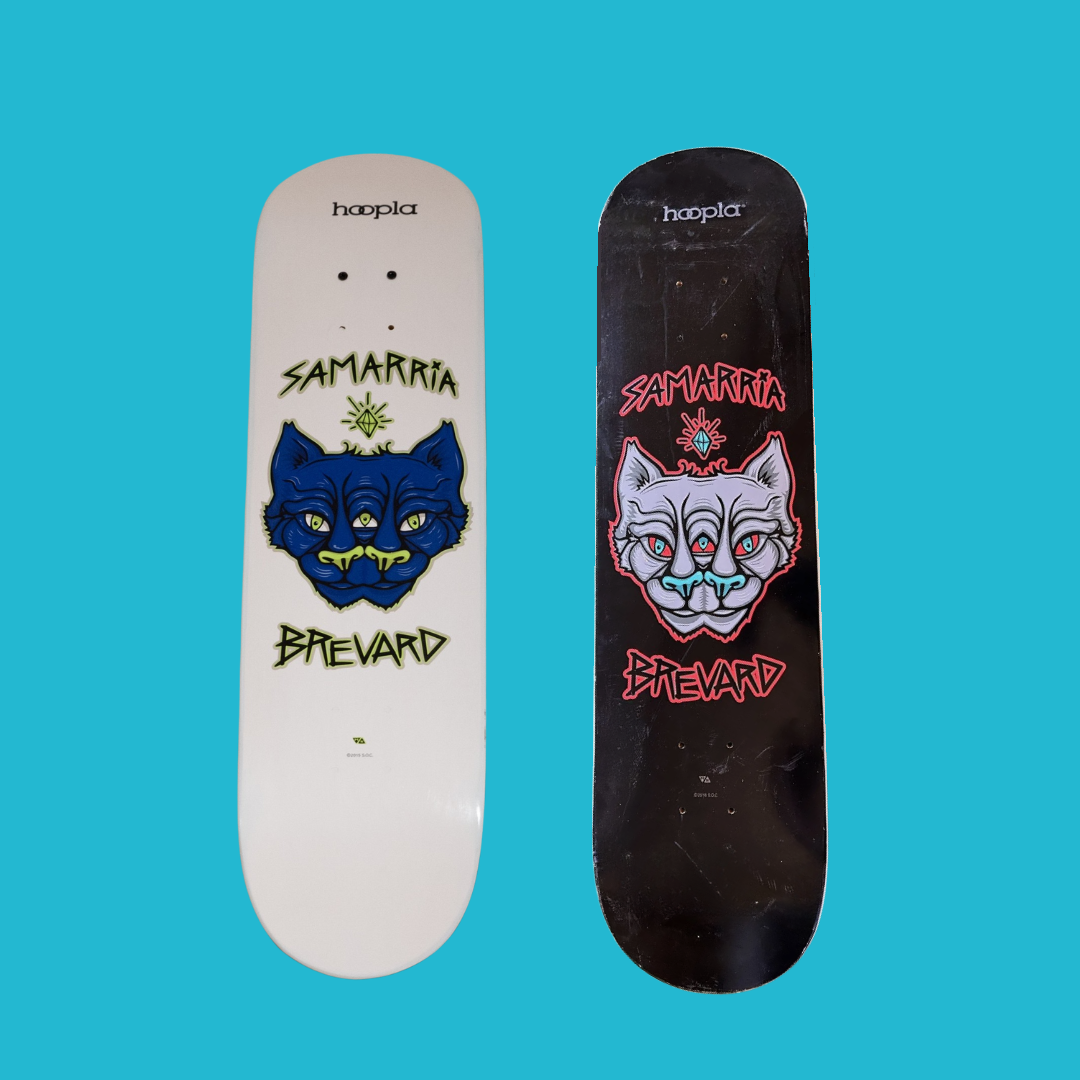
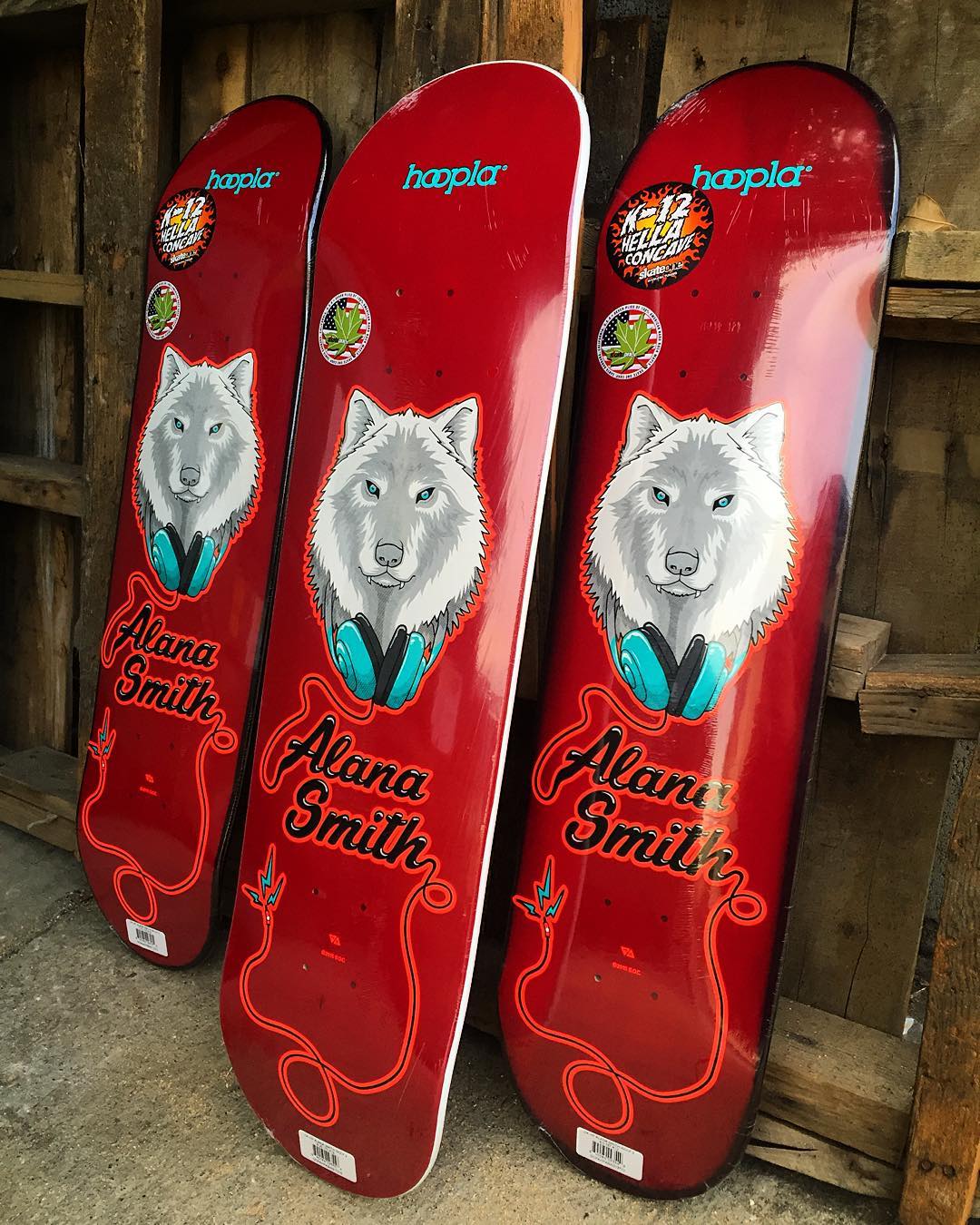
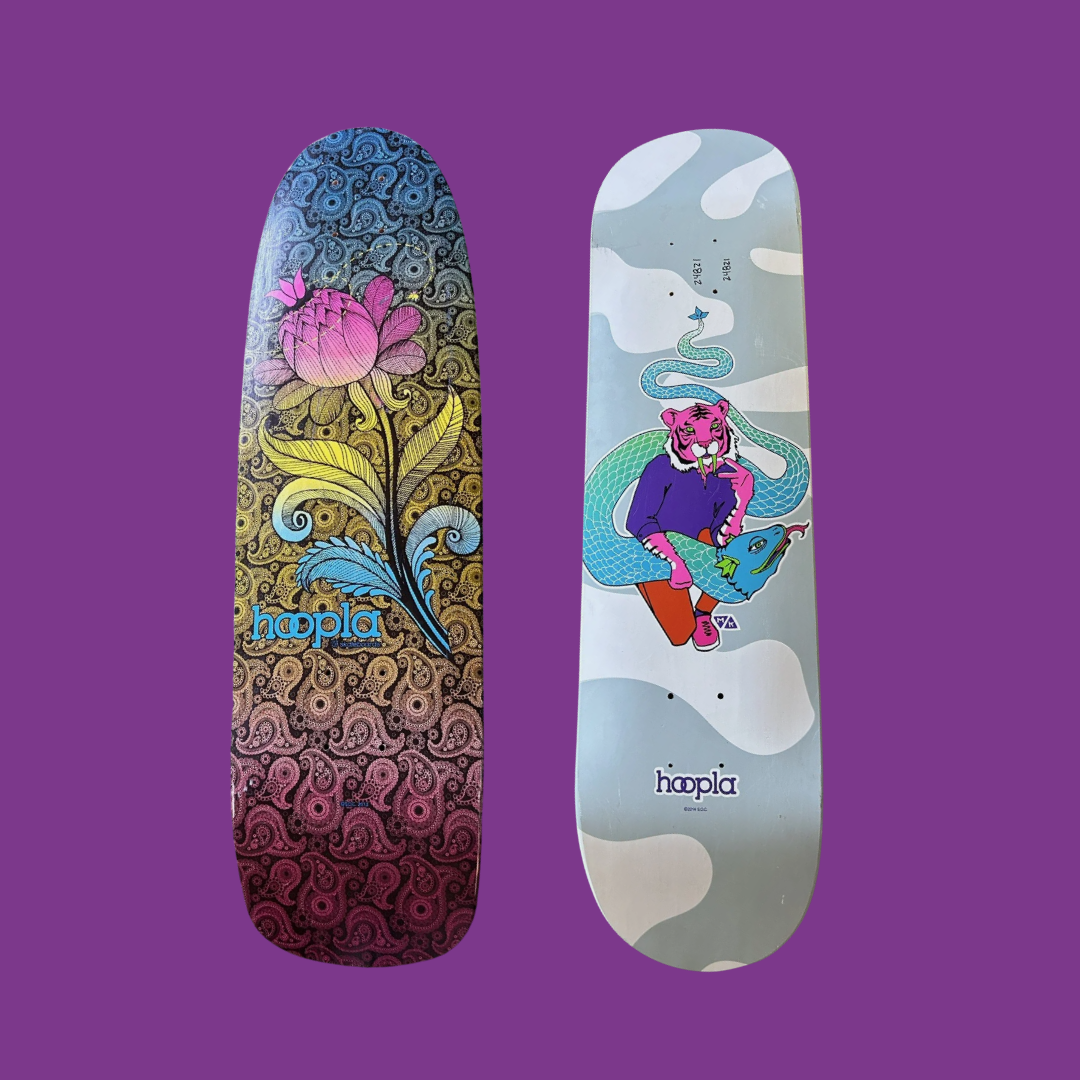


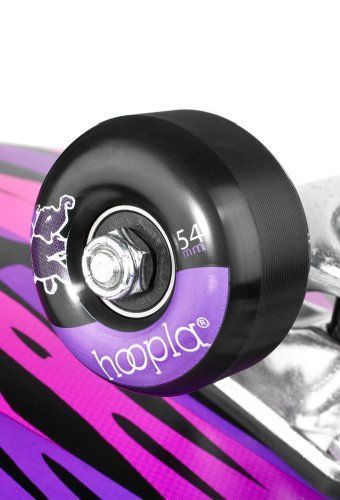
Above: examples of hoopla boards including Samarria’s pro model, Alana’s pro model, CB’s paisley board, and all designed by Mimi Knoop
In 2011, there was even a photography book called Hello Skater Girl by Julian Bleecker, which heavily featured hoopla riders.
Above: Hello Skater Girl was self-published and limited to 255 copies
Through the media outlets Girls Skate Network (hosted by Lisa Whitaker) and MAHFIA.TV (hosted by Kim Woozy), hoopla skaters were frequently celebrated and featured in video blogs and news. And, on occasion, the mainstream skateboarding industry took notice, such as the news story from May 11, 2015, when TransWorld Skateboarding shared that Samarria, Allysha, and Alana had been turned pro by hoopla, about a week after MAHFIA.TV had made the official announcement.
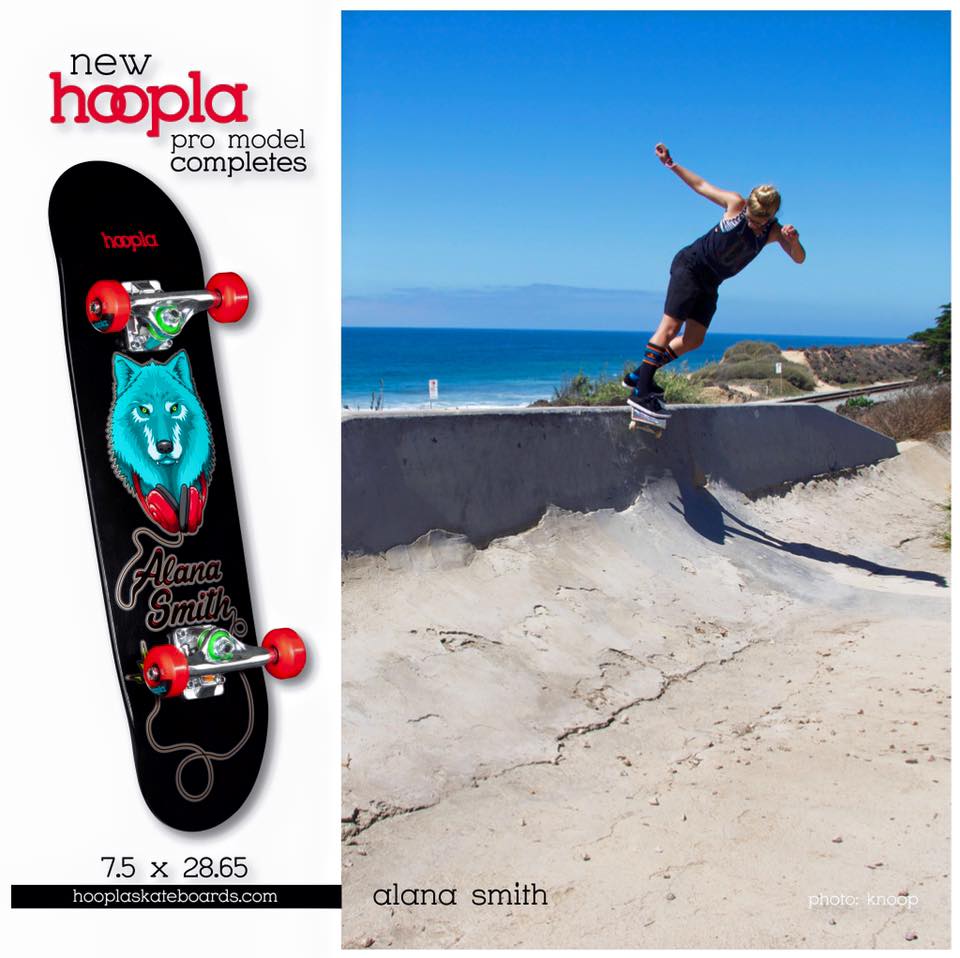


Photos: Alana Smith series from 2012 to 2014 by Mimi Knoop and Bjorn Handell


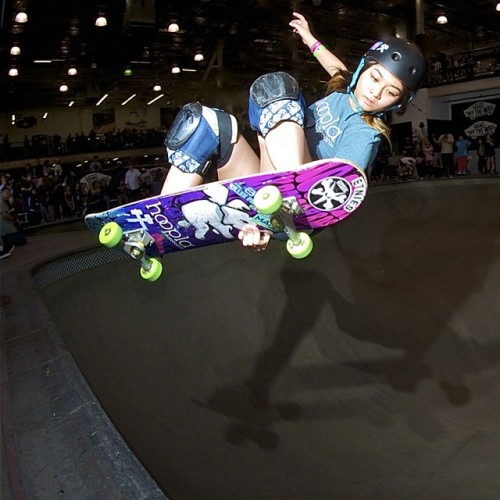

Photos: Allysha Le series from 2011 to 2015 by Mimi Knoop, Chris Zsarnay


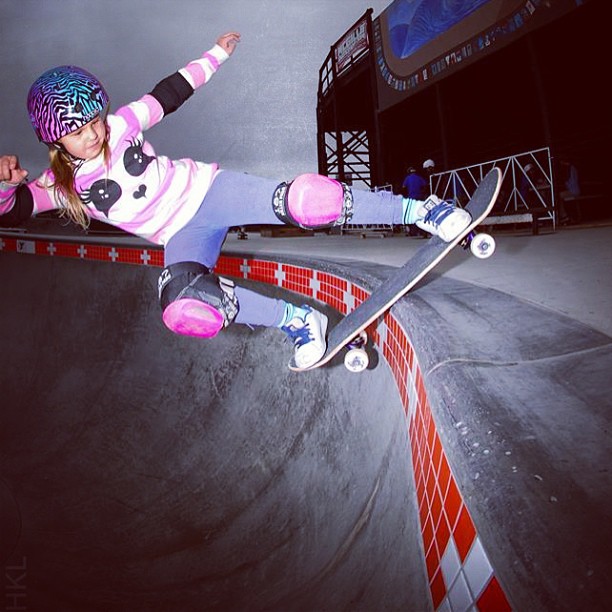

Photos: Annika Vrklan series from 2010 to 2013 by MRZ and Mimi Knoop when she is ages 6-8
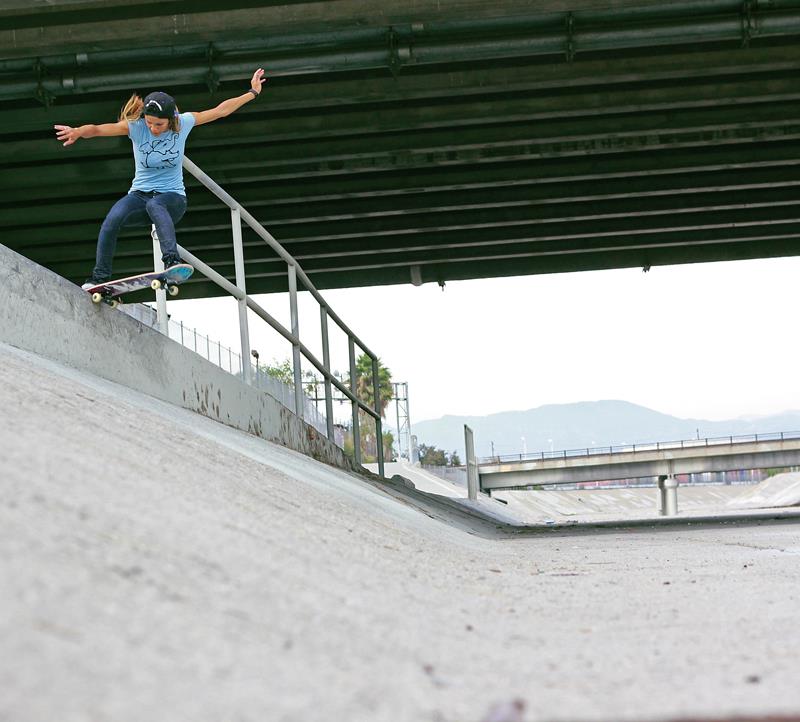


Photos: Eliana Sosco series from 2011-2014 including a hoopla ad from April 2014 in the Korean magazine Unsung by Nicolas Delvalle
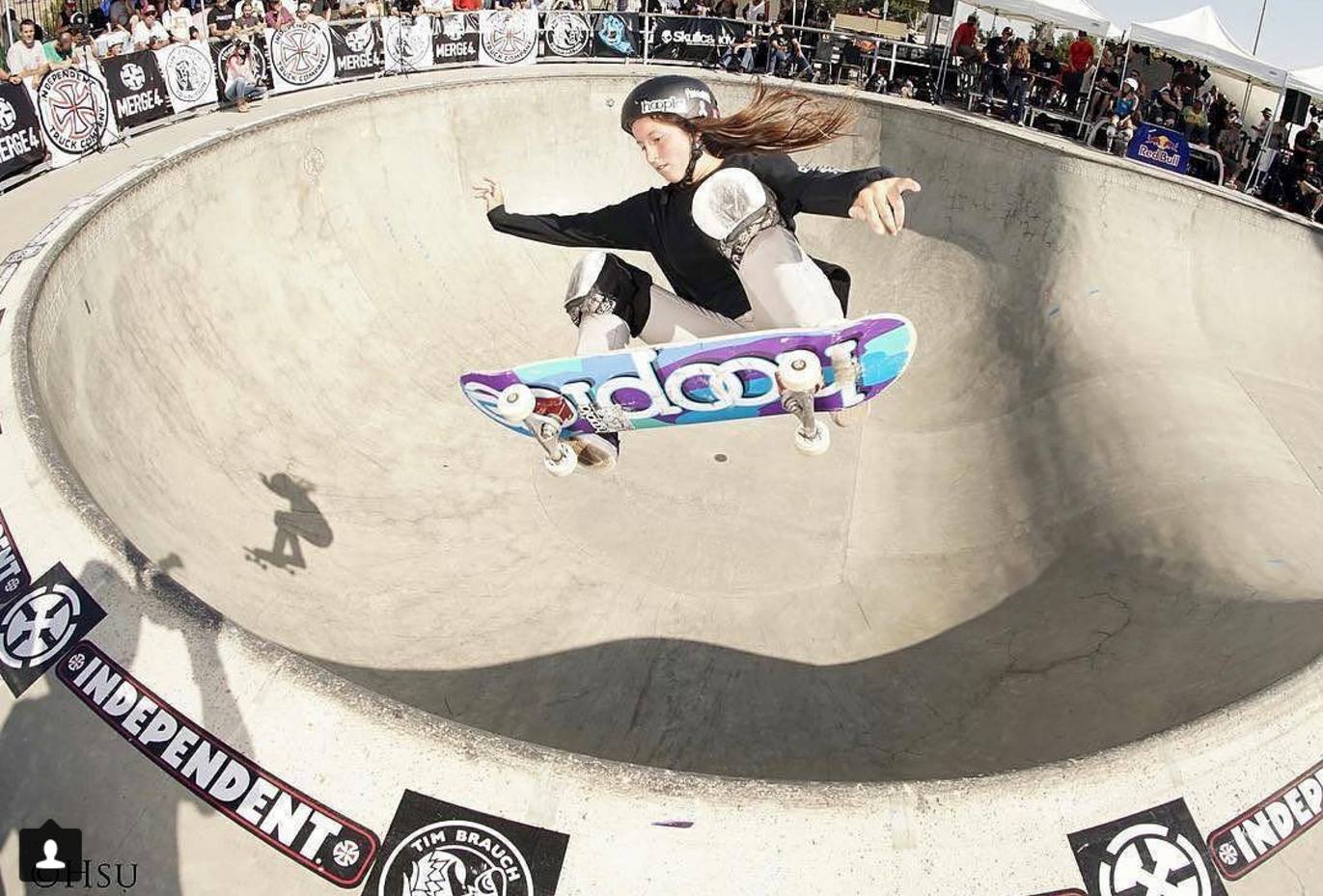

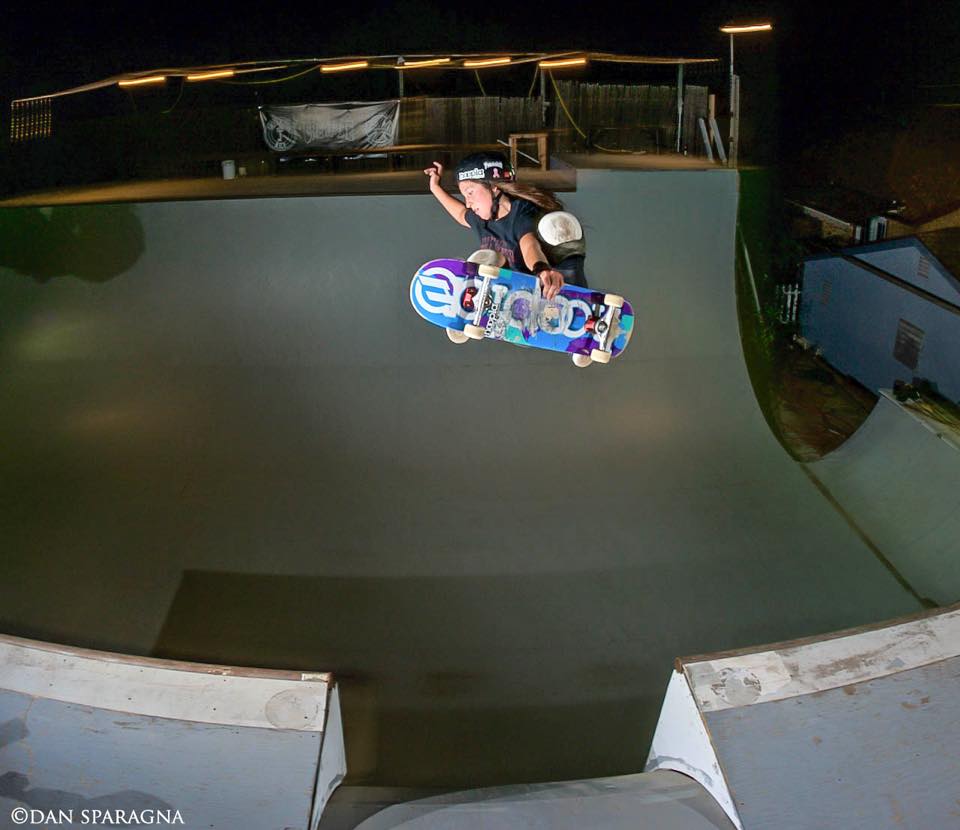

Photos: Nicole Hause series from 2016-2017 iby Dan Sparagna and Alex Papke (which was included in the November 2016 issue of TransWorld)
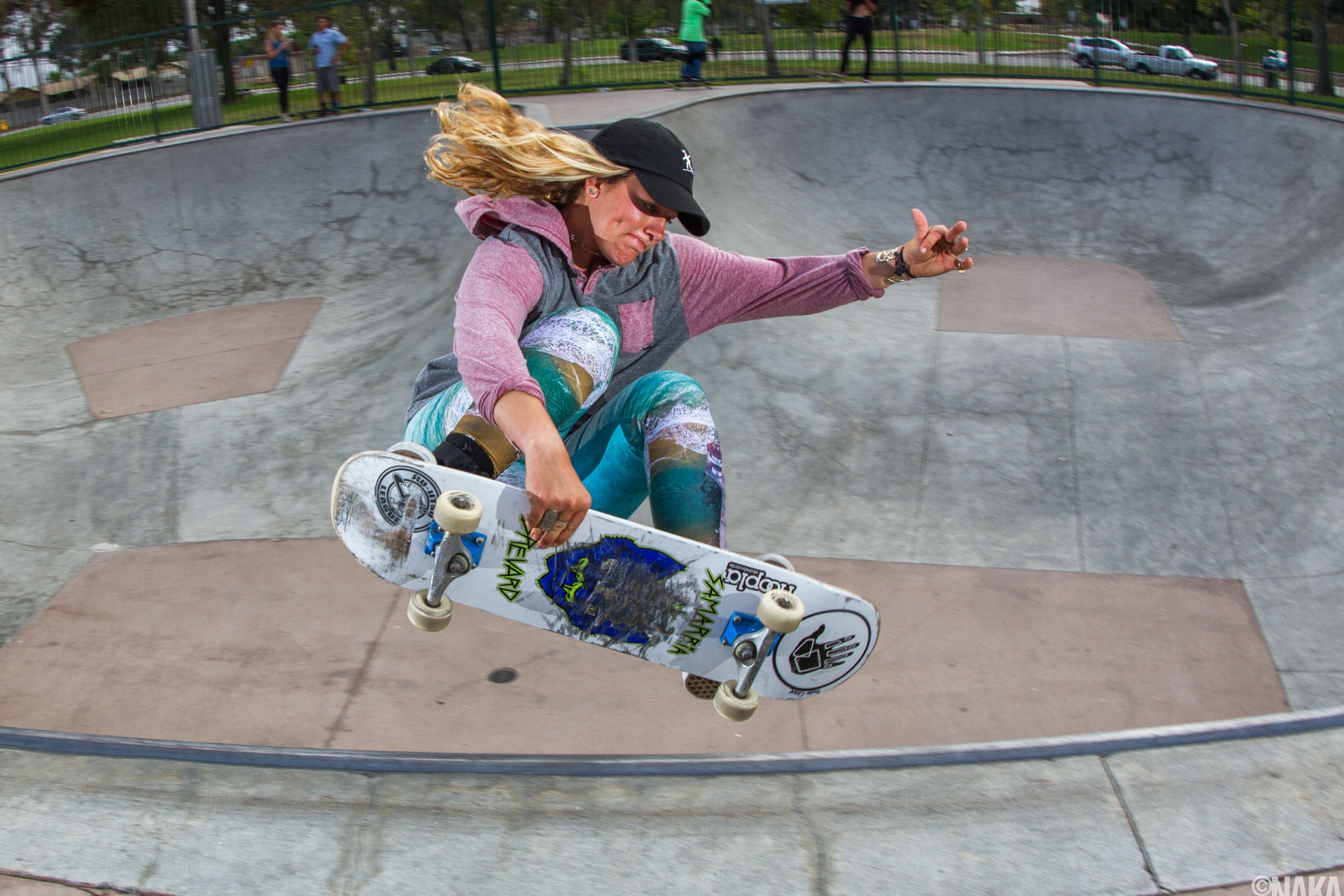

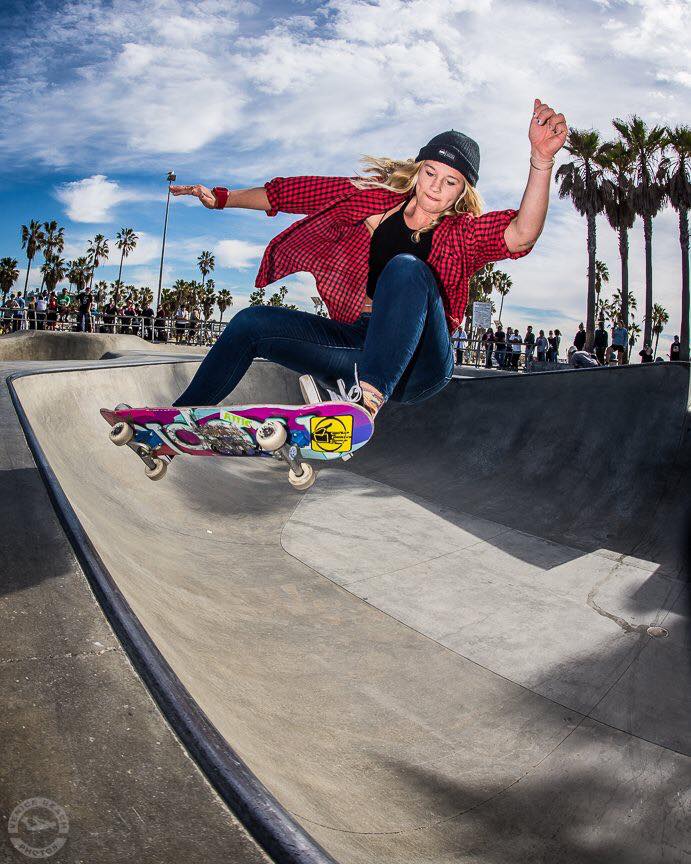

Photos: Lea Taylor 2011-2016
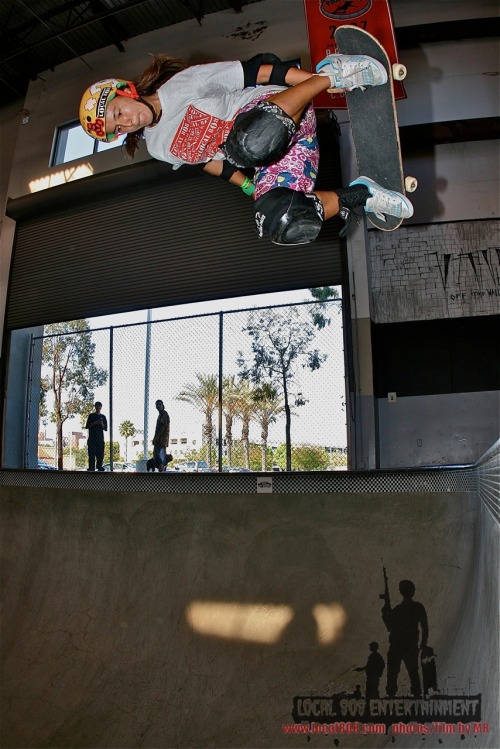
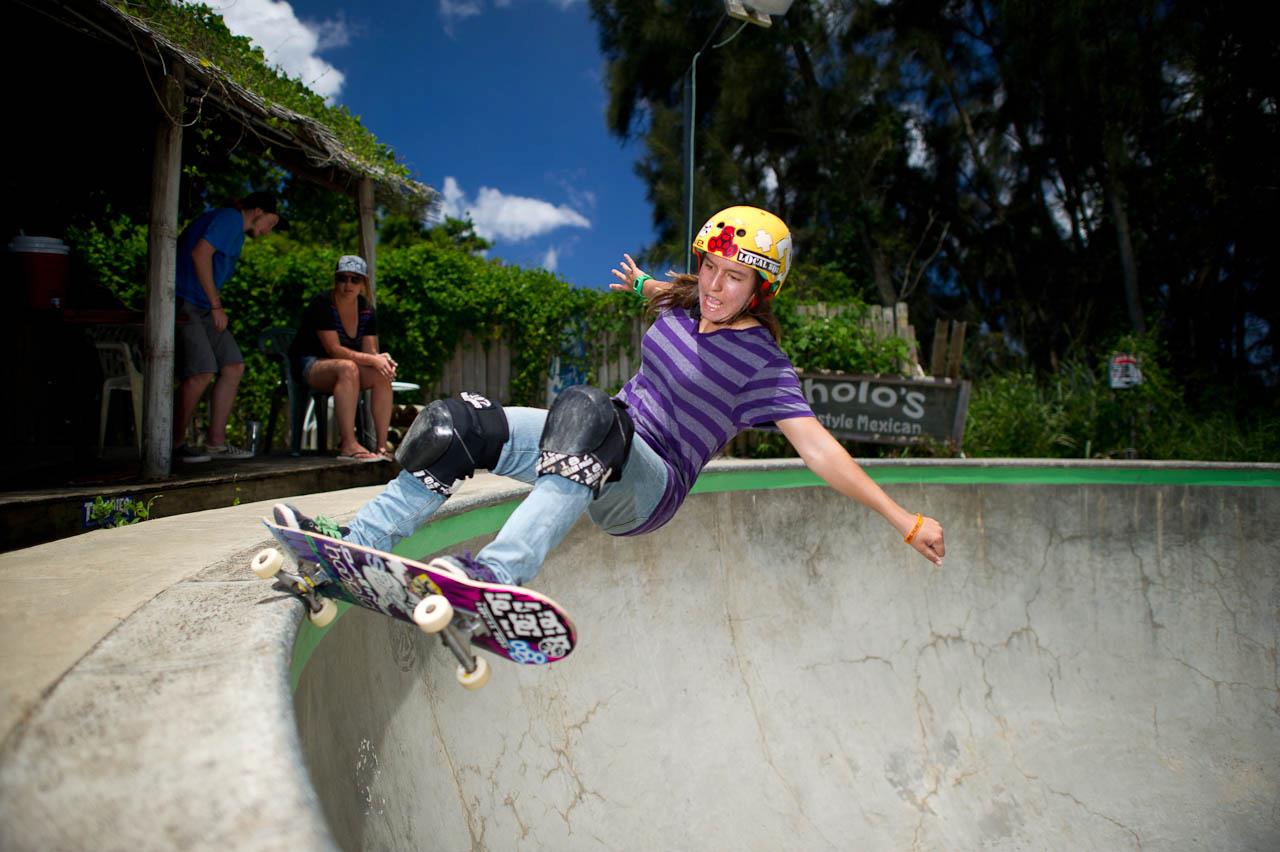


Photos: Hunter Long series from 2011 including Vans Combi event, Julian Bleecker photo
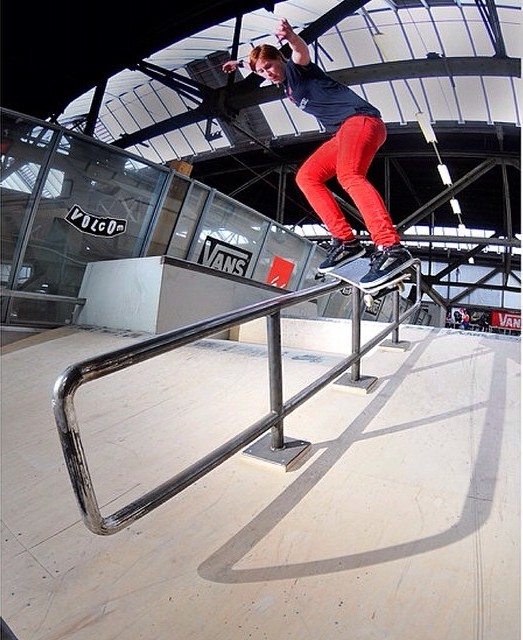

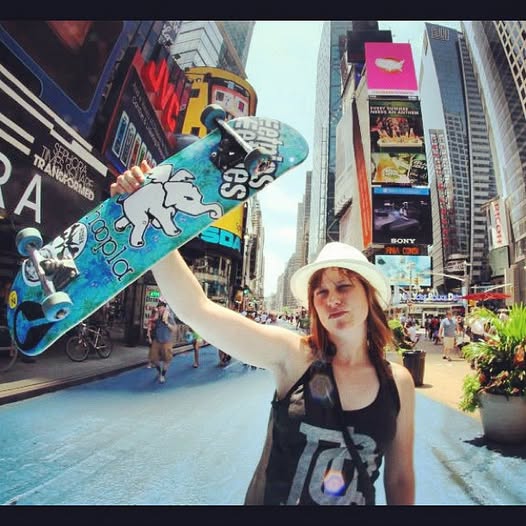
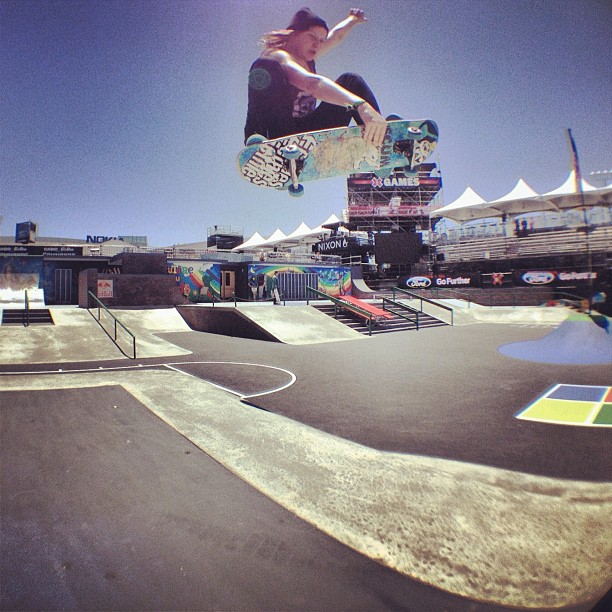
Photos: Evelien Bouilliart series from 2010 (Dede Nurlaela) to 2012


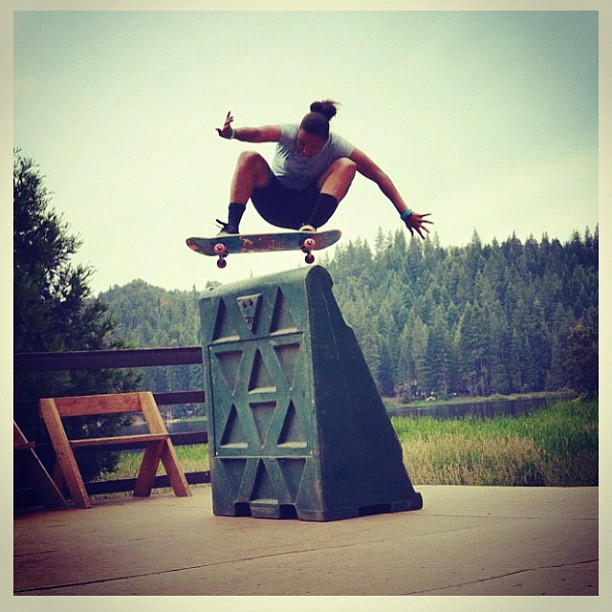

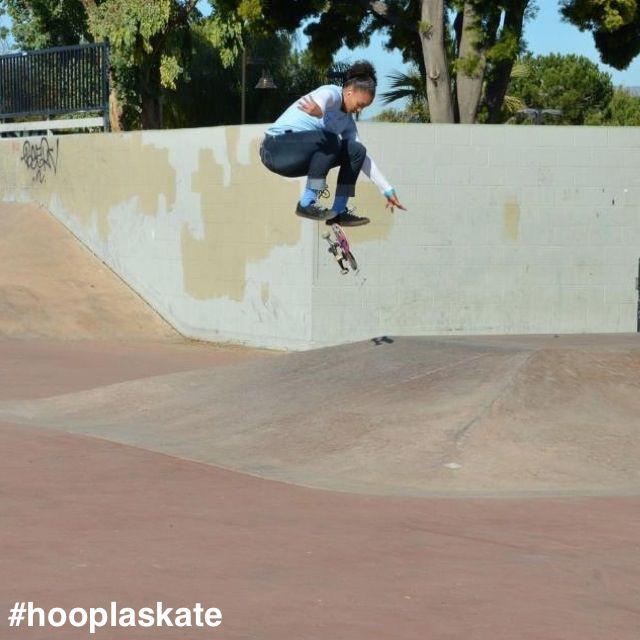

Photos: Samarria Brevard series from 2012 being welcomed to hoopla (Lisa Whitaker skate camp photo)
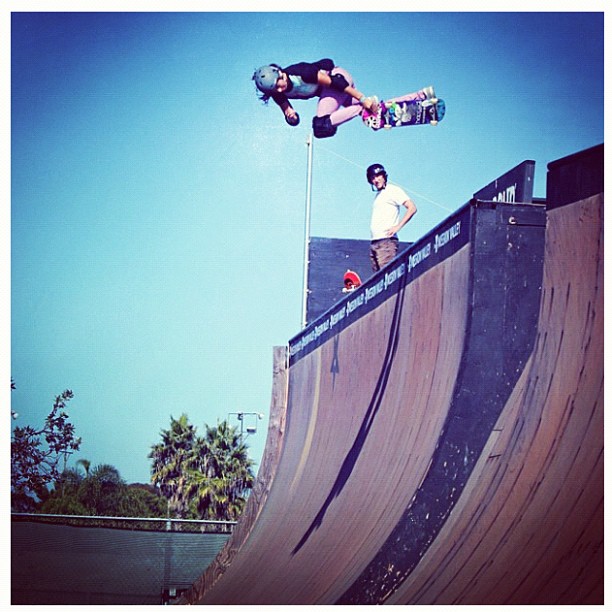

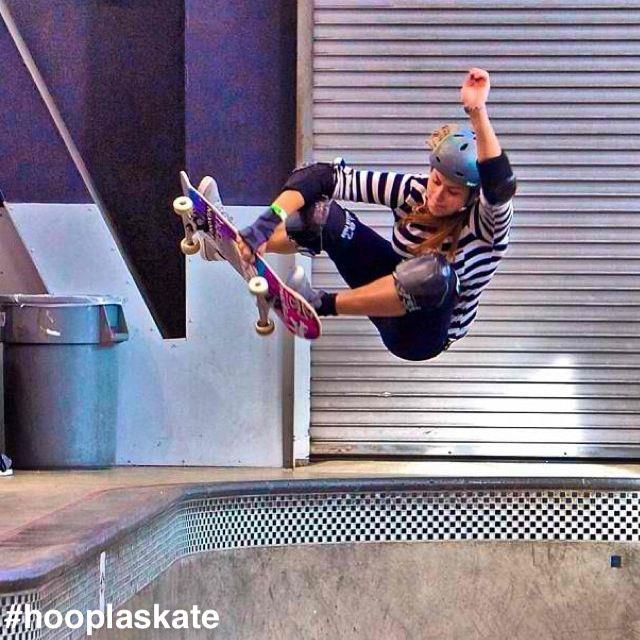
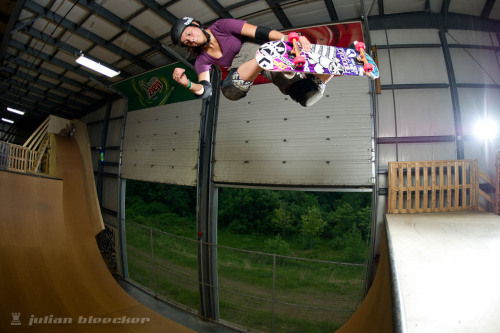

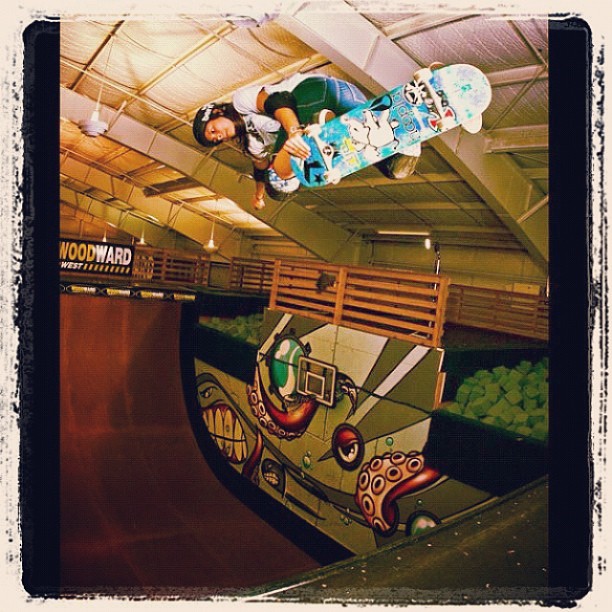
Photos: Nora Vasconcellos from 2011 to 2012 by Ken Hada, Julian Bleecker, Mimi Knoop
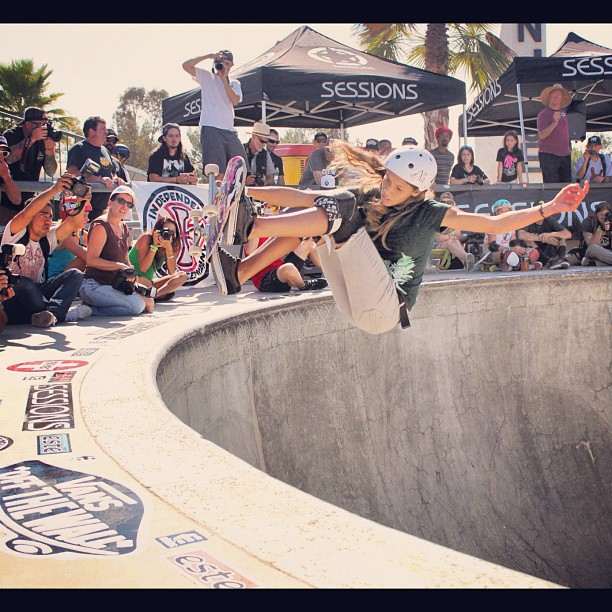


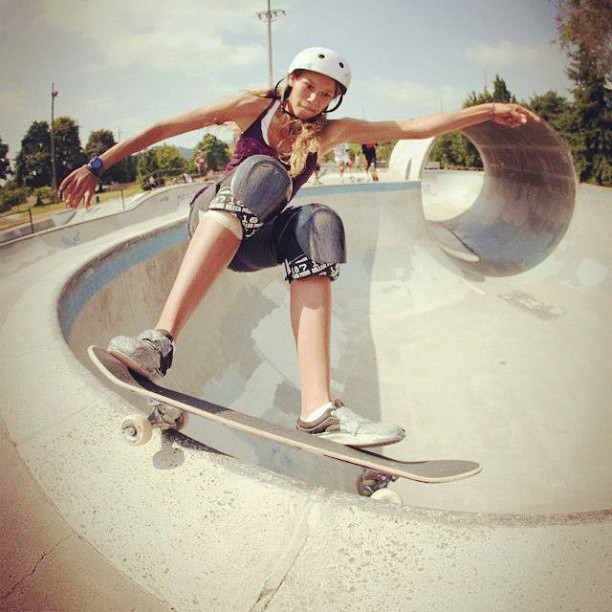
Photos: Justyce Tabor 2012-2014 by Chris Zsarnay and Nam-Chi Van
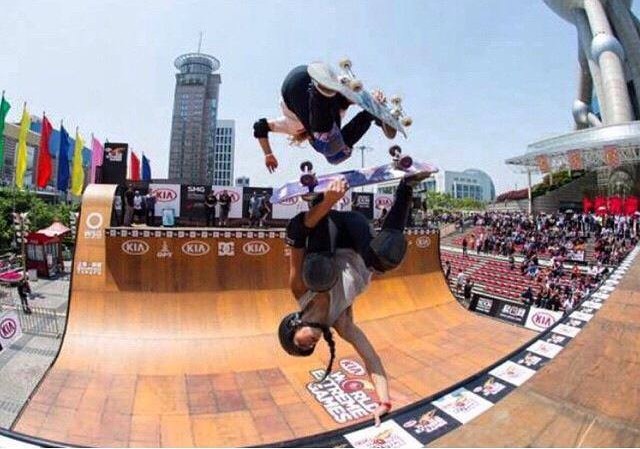
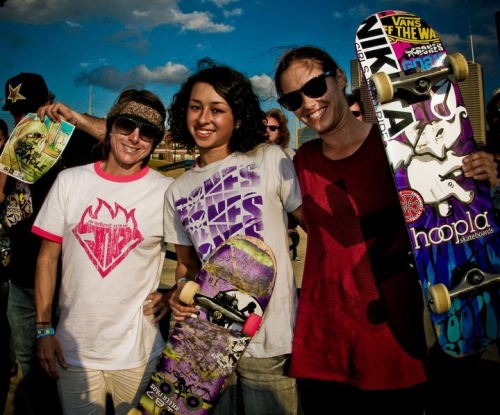
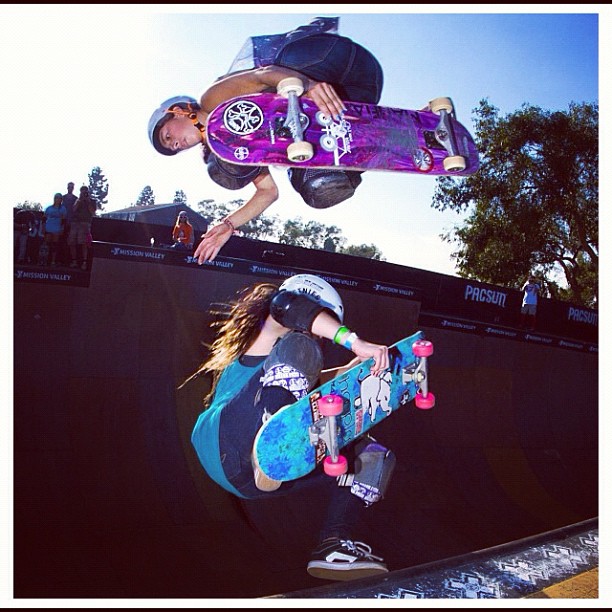
Photos: Even though Lizzie was never sponsored by hoopla, she was part of the community… Lizzie Armanto under Alana Smith (2015), Lizzie over Allysha Le (2012 by Naka), and Lizzie with co-founders CB and Mimi in 2011.
In 2012, for the female-focused magazine Cooler, Mimi shared some infectious joy for the progress of girls in skateboarding and hoopla. She said “we have grown our hoopla brand a lot since then, and we have some great projects in the works through the Alliance as well. Girls skateboarding itself is blowing up, and there are more girls skating now than ever before!”

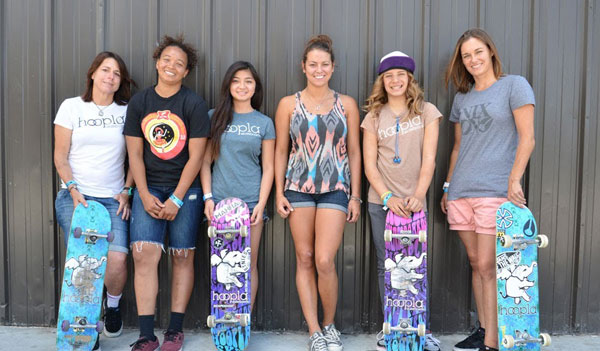
Mimi then acknowledged that there had been a recession in skateboarding, “But, we have some great momentum going with hoopla right now, and we see a huge market developing with girls skateboarding… I think the time couldn’t be better for hoopla!”
Here’s a video of hoopla vert skaters from 2012, skating Tony Hawk’s ramp:
There was also some backstory about the naming of the brand and circus elephant graphics with Anna Langer in Cooler. Mimi and CB had been brainstorming and decided that hoopla “symbolizes something we thought would work for a young skateboard brand; whimsical, fun, chaotic, creative. Then I thought of the elephants in the cartoon movie ‘Dumbo’… The ones that fall into the pail of beer and start flyin around and being crazy. That’s what I thought of when I thought of ‘hoopla’ – so, I just drew out my own version of that!”


On October 2, 2014, Thrasher magazine gave hoopla some love within the “Double Rock” feature with a video that includes a mix of street and vert.
And, in 2016 there was a solid “Welcome to hoopla Skateboards” video featuring Breana Geering:
After a decade of operations, a decision was made in March 2018 to end hoopla and even though it was sad to see them go, there was a belief that the skateboarding industry as a whole had finally matured and that these once neglected and overlooked skateboarders were finally receiving equitable sponsorship, contest money, and financial support.
According to Murrell for Vice, there was speculation that “Hoopla’s untimely demise was at the hands of a growing demand for female faces in a male-dominated industry.” But, on their Facebook page, the message was hopeful, “We were happy to have played our part in moving the needle with hoopla, and want to thank everyone who has supported us over the years including our fans, customers, team riders, photographers, filmers, mags, and employees! Thanks everyone.”


Photos: CB, Mimi, and Evelien (2011), Nicole and Alana (Combi bowl 2014)
In the podcast, Good Luck With That, there was more reflection around the sadness and a sense of loss as certain skaters were recruited elsewhere but Mimi shared with Nora Vasconcellos that she was also excited for the opportunities that were unfolding, as well as for people like Samarria Brevard, considering that hoopla was a small brand in comparison to companies like Welcome skateboards and enjoi.
For Nicole Hause, hoopla was her first board sponsor. In Jenkem magazine, she explained that “Hoopla had its time and place. It was meant to help women like me move up. It was a stepping stone for all of us because there was nothing around at the time.” Nicole had no hard feelings when hoopla shut down because she was immediately approached by Jeff Grosso who lined her up with Anti Hero boards as her next sponsor (the first girl on their team).

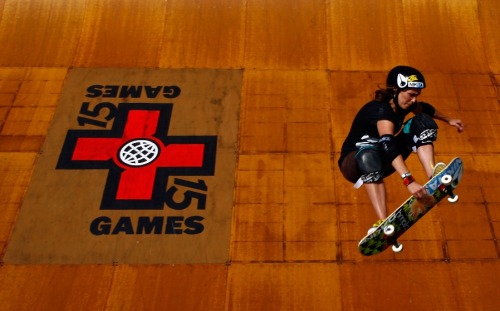
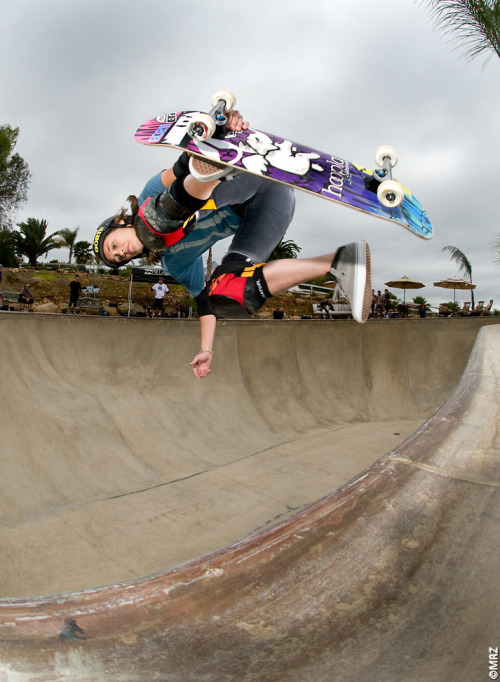
Photos: Mimi Knoop from 2011 to 2012 including the X Games
Mimi Knoop was the U.S. Olympic Skateboarding Coach at the Tokyo Games in 2021 and is the President / Founder of the Women’s Skateboarding Alliance (2015-present), alongside Cara-beth Burnside, who helped found “The Alliance” back in 2005. CB continues to be an advocate for equal pay and opportunities.
Detailed bios for skaters associated with hoopla are in the works!
Thank you, hoopla, for being pioneers and reminding this industry that girls, women, and non-binary skaters are here to stay!
References:
- Glass, Alana. “Women’s Skateboarding: why it matters to skate like a girl,” Forbes (July 15, 2014).
- Langer, Anna. “Pro Chat: Mimi Knoop,” Cooler (December 3, 2012).
- Lanza, Larry. “Nicole Hause on the changing landscape of women’s skateboarding,” Jenkem (June 5, 2018).
- Murrell, Andrew. “What does the rise of women in skateboarding mean for female focused brands?,” Vice.com (April 12, 2018).
- Rehfield, Ashley and Alex White. Good Luck With That: Podcast about skateboarding Episode 1 “The Good Luck Debutante Ball” (November 6, 2025).
 Womxn Skateboard History