
Cherry skateboards was a female-run board company sponsoring women riders, founded by Emily Oliver in February 2003 to April 2009 with support and product design by Shodie Lyon. They were based out of Breckenridge, Colorado and filled a void in a time when mainstream skateboard companies were still hesitant and resistant to consider developing diverse teams and supporting female skaters.

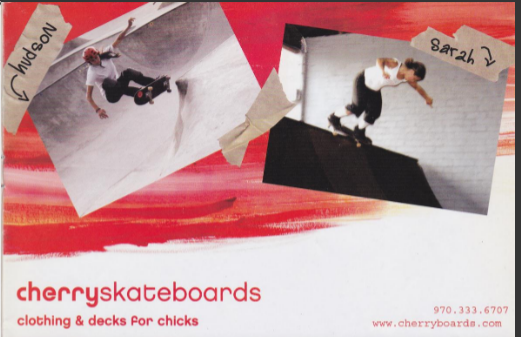
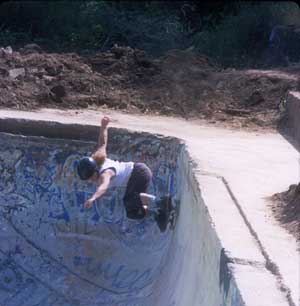
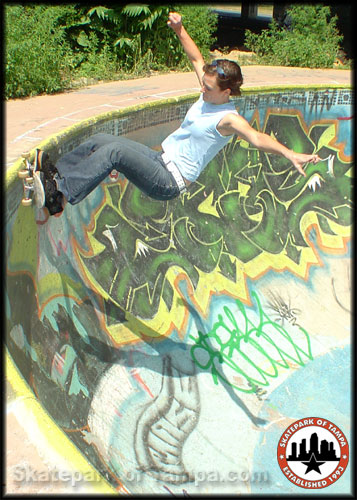
Emily shared via a website called Boarding.net that, “The idea for Cherry Skateboards was conceived one day while we were hanging out with other girl friends of ours who skate. We all felt that there are not many companies that support and encourage girls to skate even though the number of girls skating is quickly rising. So we decided why not start a skate company for and by women. We want Cherry Skateboards to be a company that women of all ages can feel good about supporting because they know we are supporting them.”


In the 2003 March/April issue of Clamor magazine, Myriam Gurba interviewed Emilie for an article called “Betties on Boards.” Emilie explained that, “One day my friend Sarah and I were hanging out, talking about how female representation sucks… We are looking through skate mags and checking out the pictures of girls in them. Sarah kept saying, ‘Look, This doesn’t represent me.’ I said to her ‘Why don’t I start my own company and I’ll have you skate for my team’” (p. 25).
A graphic of their board (pink blossoms on black) was included in The Baltimore Sun (May 5, 2003, pN5) for a fashion feature, with similar promotion in Newsweek (May 26, 2003, p68) where it was stated that, “Because being badass doesn’t mean looking bad. Owned by professional female skateboarders, Cherry turns out stylish—not girl—designs.” An odd statement, but the intention was supposed to be complimentary.
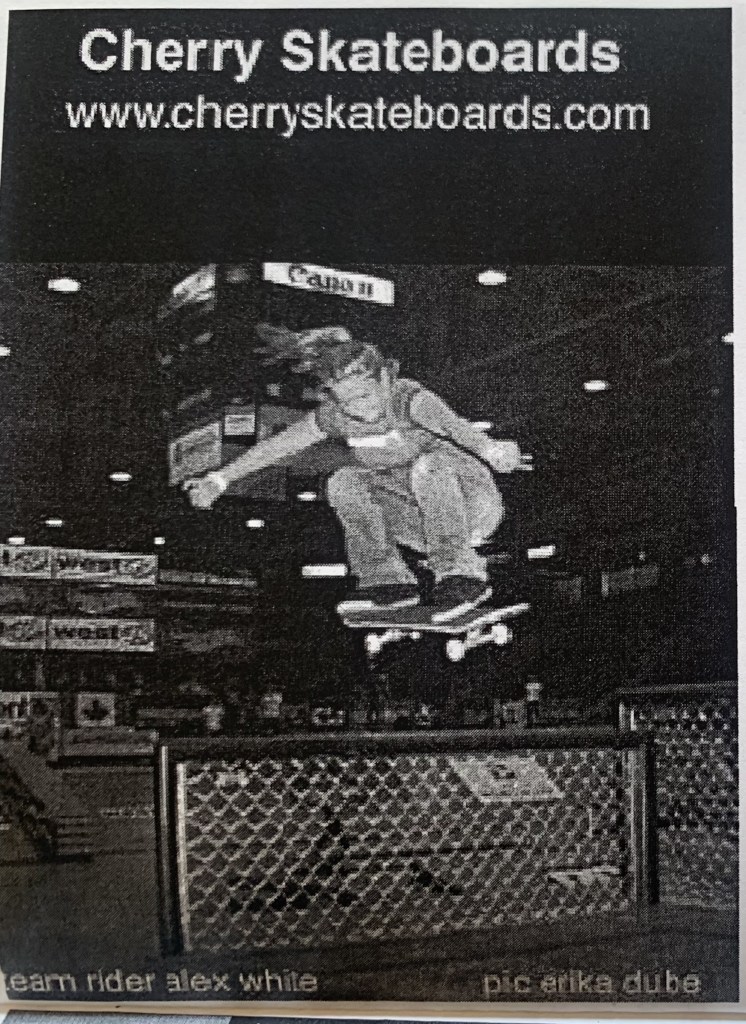
Cherry Skateboards ad featuring Alex White at the West49 contest by Erika Dube. The ad was found within Second Wind zine, issue #3, Spring 2004, which was created by Faye Lynn Richards.
Their sponsored team included skaters in both street and vert. Over the years riders included Alex White, Alexis Schempp, Crystal Solomon, Hudson Poston, Jen O’Brien, Jill Viggiani, Kara Pizzamiglio, Sarah Drexler, and Summer LaClair. Some riders are better known than others, but most of them were competing and active in the scene.
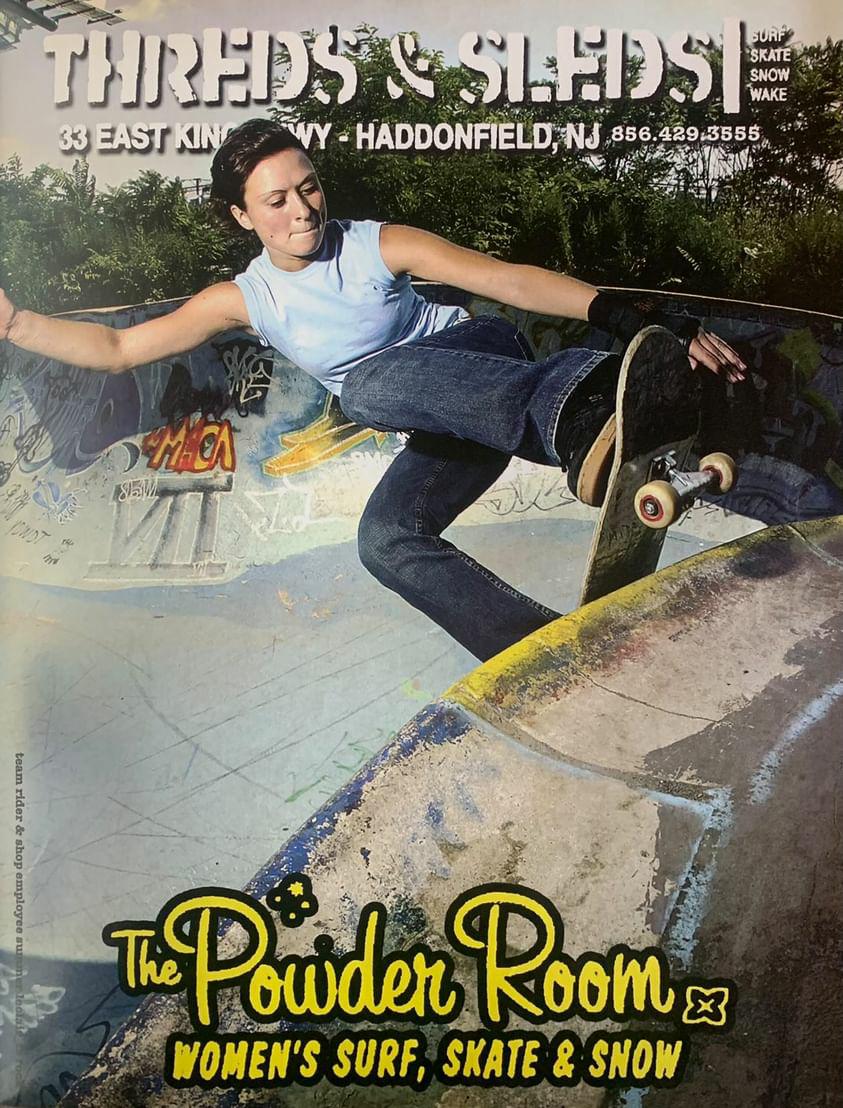
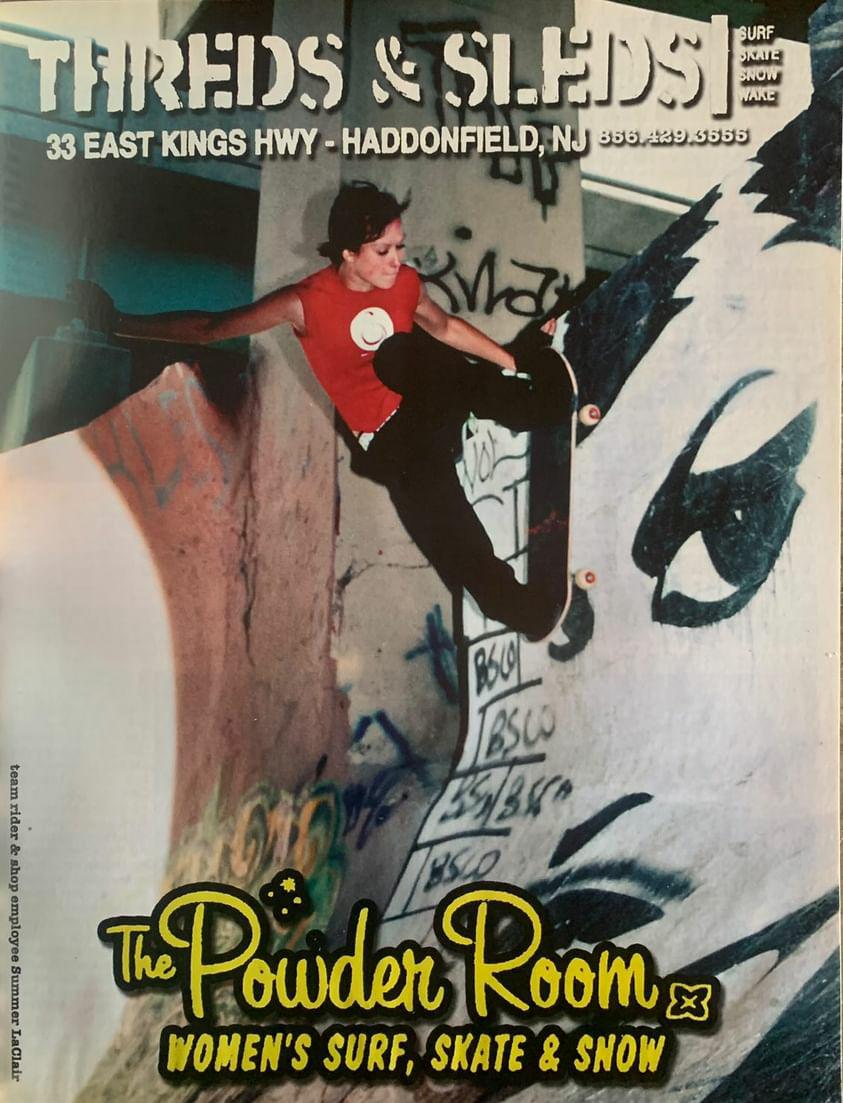
Photos: Cherry rider, Summer LaClair was also featured in ads for the “Threds & Sleds” shop in Haddonfield, New Jersey for “The Powder Room” which appears to be focused on the women’s surf, skate & snow community. LaClair worked at the shop and rode for them.
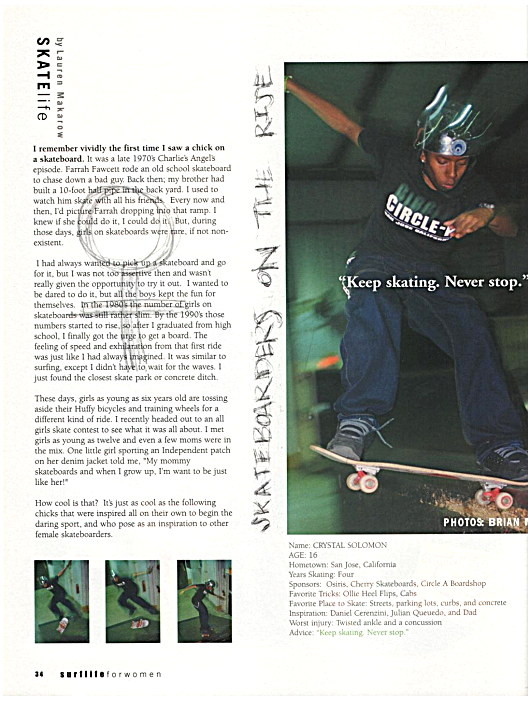
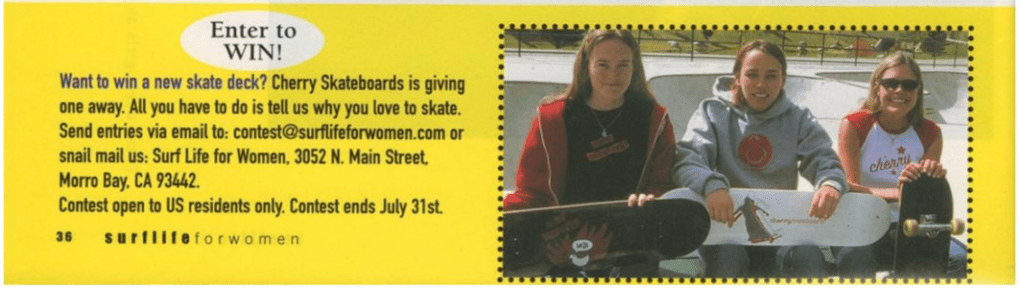
In 2002, the first issue of SurfLife for Women magazine was launched and also included a “Skatelife” article, which honored Cherry Skateboards through a board giveaway, including photos of their sponsored skater, Crystal Solomon.

A review of the company was shared out in Transworld Skateboarding in February 12, 2003 in an article called “Biz Buzz, Shoe Box, Roster Hops.” They explained that Cherry skateboards “will provide a platform for female artists and designers to develop board graphics and clothing designs.” The article highlighted that “Cherry Skateboards also lends its support to a variety of female-focused skate competitions throughout the U.S. and Canada, as well as other female-positive events like NYC’s Ladyfest East, L.A.’s After The RAINN, and the Ladies’ Lounge at the Vans Warped Tour.”
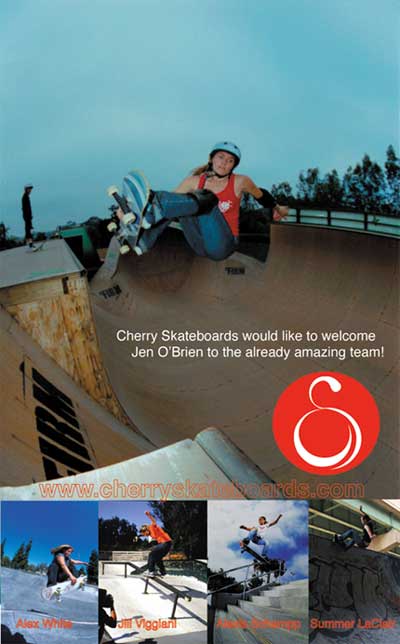
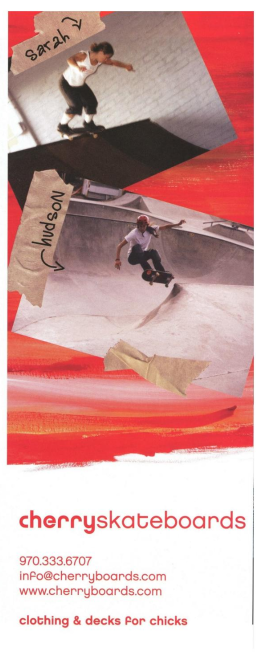
Ads for Cherry Skateboards appeared in the women-focused magazines Check It Out and Push. The owners also made an appearance on an Extreme sports show called ‘54321’ on the Fox network showcasing their product. The show was very short-lived, broadcast from November 2002 to November 2003.
For Clamor, Emilie shared the frustration of retailing merchandise as a female-owned company in a male-dominated subculture. “Most skate shops are owned by men… and they don’t see a market for our merchandise even though it’s not necessarily designed for women… I usually have to explain again and again that my company isn’t just for girls and that my graphics aren’t necessarily female specific” (p. 26). Emilie’s rationale was that, “Guys and girls fall the same. We all take the same hits… Concrete doesn’t treat anybody differently” (p. 25).
In response to events like the All Girl Skate Jam, Emilie said, “Women are able to make a name for themselves while competing in a new genre. They are setting the bar, standard, and skill level for the quality of female skateboarding. If they did not have the chance to compete in their own category, they would constantly be compared to males and would lose a lot of deserved credit… It’s nice that we’re all on the same level… We can do the same things. That’s why I think it’s really good for girls to skate with other girls who are learning or new because it’s more comfortable that way” (p. 26).
I don’t have the full story on why the company disbanded, but it was a fantastic effort and vision and Cherry opened the doors for others to explore the industry side of skateboarding and support women.
Reference:
- Gurba, Myriam. “Betties on Boards.” Clamor Magazine, March/April 2003, p. 24-26.
 Womxn Skateboard History